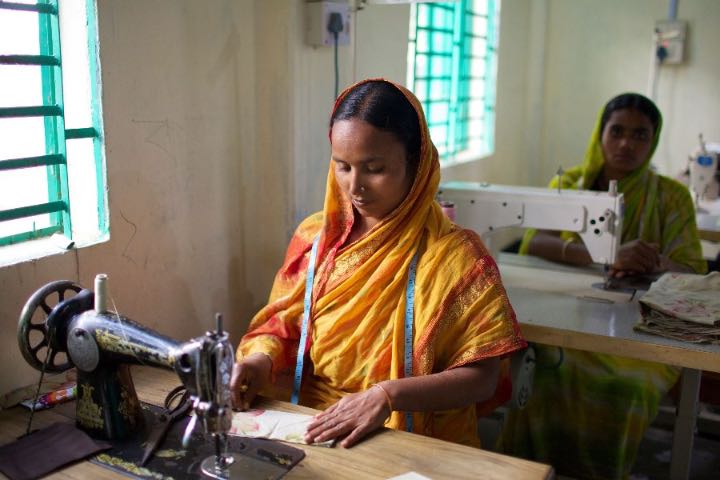
Step Up's model mirrors one of the most rigorously evaluated anti-poverty interventions anywhere: BRAC's Ultra-Poor Graduation approach, a productive asset plus training and coaching for the poorest households.
+37%
increase in income, seven years after a single productive-asset transfer
Bandiera et al., LSE/UCL randomised evaluation
+361%
increase in labour productivity among participants over the same period
Bandiera et al., LSE/UCL randomised evaluation
9×
increase in household savings, sustained long after the programme ended
Bandiera et al., LSE/UCL randomised evaluation
95%
of BRAC's Graduation participants in Bangladesh lift themselves out of extreme poverty
BRAC Ultra-Poor Graduation Initiative
Why one small asset matters so much: research into this model found the poorest women weren't stuck in low-paid casual labour for lack of skill, they were stuck below a capital threshold. Once that single gap was closed with a productive asset, the shift into stable self-employment held for a decade.