STEP Foundation · Little Hearts Project

Every child deserves the chance to grow up healthy, supported, and able to reach their full potential.

Little Hearts takes a holistic approach to supporting vulnerable children, addressing their educational, nutritional, healthcare and wider wellbeing needs together, not one at a time.

Support a childSee how it works
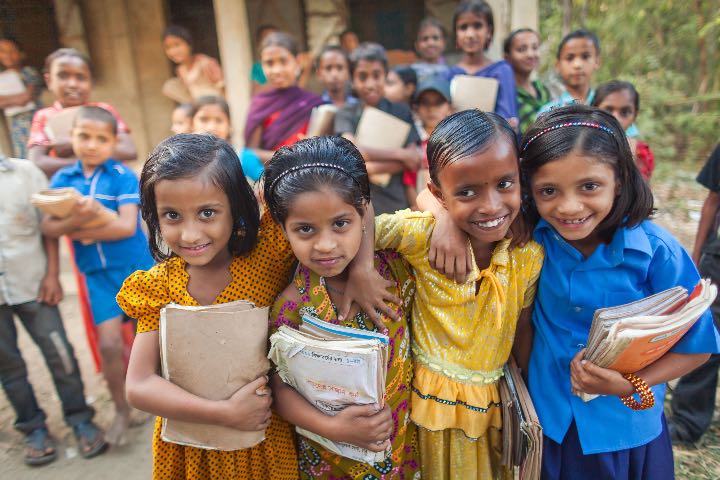
photo: children in classroom
1 in 5
children in low- and middle-income countries are severely deprived in two or more essential areas, UNICEF, 2025
900m
children worldwide live in multidimensional poverty, lacking at least one basic necessity
24%
of children in Bangladesh are stunted from chronic malnutrition, rising to 40% in urban slums
Why Little Hearts

A child's needs don't come one at a time

For a child living in poverty, hunger, missed healthcare and lack of school materials rarely show up alone, they compound. A child who arrives at school without books or a bag falls behind; a child who is malnourished struggles to learn even when they do attend; a child without access to basic healthcare misses more school still.

Little Hearts addresses these needs together, because protecting a child's potential means protecting their whole childhood, not just one part of it.

How it works

Four needs, addressed together

Education

Books, bags, pens and other essential learning materials, so children attend school prepared and able to participate.

Nutrition

Regular access to food, addressing the hunger that keeps children from learning and growing as they should.

Healthcare

Access to essential healthcare that protects children's physical wellbeing and catches problems before they grow.

Wellbeing

Wider emotional and social support, protecting children's wellbeing alongside their physical and educational needs.

The evidence

Why the basics change everything

Small, practical support has an outsized effect on whether a child stays in school and keeps up, this isn't guesswork, it's some of the most rigorously tested evidence in international development.

−44%
reduction in school absenteeism after children received a free school uniform and basic supplies
Evans, Kremer & Ngatia, randomised trial, Kenya (J-PAL / World Bank)
+0.25 SD
rise in test scores the year after children received school materials they lacked
Evans, Kremer & Ngatia, randomised trial, Kenya
31 pts
lower likelihood that a malnourished child in Bangladesh reaches an age-appropriate grade level
University of Southern Queensland, schooling & malnutrition study, Bangladesh
16.25%
Bangladesh's primary school dropout rate in 2024, reversing over a decade of steady decline
Government of Bangladesh assessment, reported by Dhaka Tribune
Bangladesh has already proven this works: the country cut its own primary dropout rate from 39.8% to 13.15% over a decade, driven largely by free textbooks, stipends and mid-day meals. The recent reversal to 16.25% shows how quickly those gains can slip without sustained, practical support reaching the poorest children directly.
Support a child